


News
How to produce clean and safe ice cubes?
Producing clean and safe ice cubes is a process that requires precision and strict adherence to hygiene standards. Ice cubes are widely used in the food and beverage industry, as well as in many other fields, so ensuring that the product meets food safety standards is imperative. In this article, we will explore the steps required to produce clean and safe ice cubes.

MỤC LỤC
Ensure the use of clean and safe water to produce clean ice cubes
The first important factor in the process of producing clean ice cubes is the water source. The water used to produce ice must meet food safety and hygiene standards. To ensure clean water, manufacturers can use water filtration systems, water treatment technology or even boil water before running it through the ice maker. Checking the water quality before use ensures that the water does not contain impurities or harmful microorganisms.
In addition to using clean water, to optimize the quality of ice cubes, this water source must be guaranteed to meet the standards of pH, hardness and appropriate mineral content. Water with high levels of impurities not only affects the quality of ice cubes but can also have negative effects on the health of consumers.

Ensure hygiene in the process of producing clean ice cubes
Sanitation is the key to ensuring that the ice produced is clean and safe. Every step in the production of clean ice must follow strict sanitation procedures.
Machine cleaning:
Ice making equipment such as ice makers, water spouts, water pipes, etc. need to be cleaned regularly. Any part of the machinery that comes into contact with water is at risk of contamination, so proper and regular cleaning is important to maintain the quality of ice.
At the end of each shift, the parts should be disassembled and cleaned with safe cleaning solutions. Regular cleaning will help prevent contamination and improve the quality of the stone.
Keep the ice making area clean:
The ice production area must be kept clean to avoid contamination of the ice. Although the ice is not directly affected by the air, any contamination in the surrounding area can have an indirect effect. Therefore, cleaning and wiping the ice production area periodically is the best way to ensure that the production environment always meets hygiene standards.

Ensure that specifications are closely monitored
In the process of producing clean ice, technical parameters such as temperature, pressure, and production time need to be strictly controlled. Temperatures that are too high or too low can affect the quality of ice, especially the risk of bacterial contamination when the temperature is not high enough to kill microorganisms.
Setting the correct parameters such as freezing time, freezing temperature and cooling time of the product can help ensure the quality of the ice is up to standard. Using accurate and automatic temperature and pressure measuring devices to monitor these parameters also helps the operator to detect and correct problems in time.

Ensure ice making process complies with food safety and hygiene standards
The process of producing clean ice cubes must strictly comply with food safety and hygiene standards. Equipment such as ice makers, pumps, and pipes must use materials suitable for food production, ensuring that they are not rusted or contaminated.
Maintaining the operating condition of equipment is also a way to ensure product quality. Machinery can become less productive or even contaminate the stone if not maintained and repaired promptly.
Store ice cubes in clean, dry conditions
Once produced, ice cubes need to be stored in clean and dry conditions. To ensure the quality of the ice is not contaminated, ice needs to be stored in food-safe containers, away from exposure to light and low humidity.
Preservation measures such as using covered containers and avoiding direct contact with outside air can help keep ice cubes clean and free from microorganisms or external impurities.
Use equipment and means of transport to ensure food safety
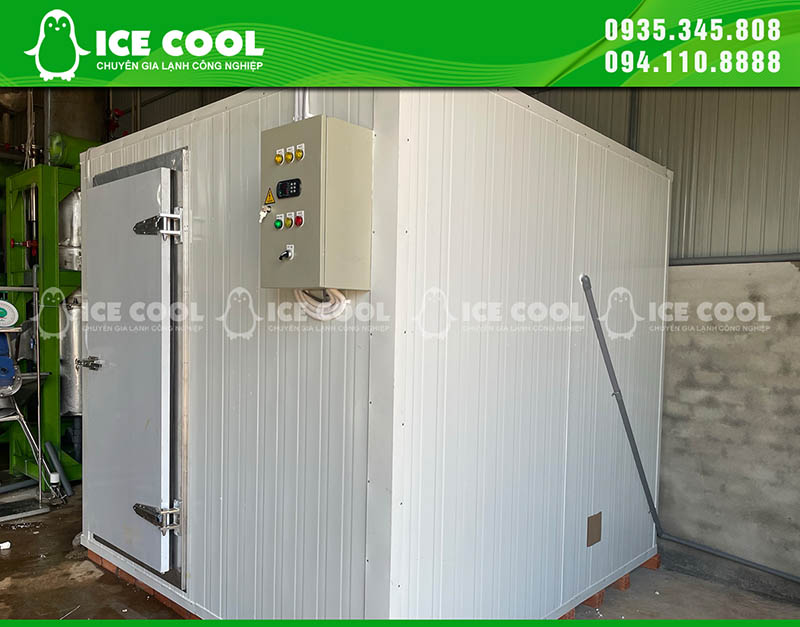
After being produced, ice cubes need to be stored in clean and dry conditions. To ensure the quality of the ice is not contaminated, ice needs to be stored in food-safe containers, avoiding exposure to sunlight and high humidity. ICE COOL tube Ice Machine has a conveyor system and storage compartment that are optimally designed to store ice cubes safely and effectively.
Preservation measures such as using tightly covered containers and avoiding direct contact with outside air can help keep ice cubes clean and free from microorganisms or external impurities. In addition, ICE COOL’s cold storage is maintained at low temperatures, helping to ensure that ice does not melt and does not generate harmful microorganisms.
Perform periodic checks
To ensure that the clean ice production process always meets standards, businesses need to conduct periodic checks on water quality, machine condition and ice quality. ICE COOL machines have an automatic monitoring system, recording all data on the production process and water quality, helping managers easily monitor and evaluate product quality.

These periodic inspections will help to detect problems early and take timely corrective measures. In addition, storing information about equipment inspections, maintenance and operation is also an important method to help managers have a basis to monitor, evaluate product quality and adjust production processes when necessary. This information needs to be stored in the form of detailed reports and can be retrieved when needed, helping to ensure transparency and the ability to control product quality.
Train employees on food safety and hygiene procedures
People are the most important factor in the production process, so training employees on work procedures, food safety and how to detect and handle problems is essential. The more employees understand the food hygiene process, the higher the ability to ensure product quality.
Employee training includes training on hygiene, proper use of machinery, and safe dosing and use of cleaning agents. This training will raise awareness of the importance of ensuring food safety during the production process.
Contact for advice and support in investing in ICE COOL ice making machines
Are you having difficulty finding a solution for quality ice production? Let ICE COOL help you! With a professional technical team, diverse products, reasonable prices and dedicated service, we are committed to bringing absolute satisfaction to your needs.
Don’t hesitate any longer, visit the website: icemachine.com.vn or contact us immediately via phone number and Zalo: +84 941 108 888 for advice and to order today! Take your production needs to the next level with the ICE COOL ice maker!


